

It was during a retreat, a weekend spent away from the ordinary to take time for prayer and reflection, that the idea of entering religious life first took hold in me. When I left to go on this retreat, I was a scientist.
I was employed, I received a good salary, and I had a bank account with enough money in it to last a lifetime. I had a nice apartment, and I drove a nice car. I was then already in my mid-forties, and I had been working in research for more than twenty years. My faith and my scientific understanding had never been in conflict, but my work life was a lot more important to me than my faith.
A year after the retreat, however, I was living with the Franciscan Friars and was well on my way to becoming part of their fraternity.
Academia
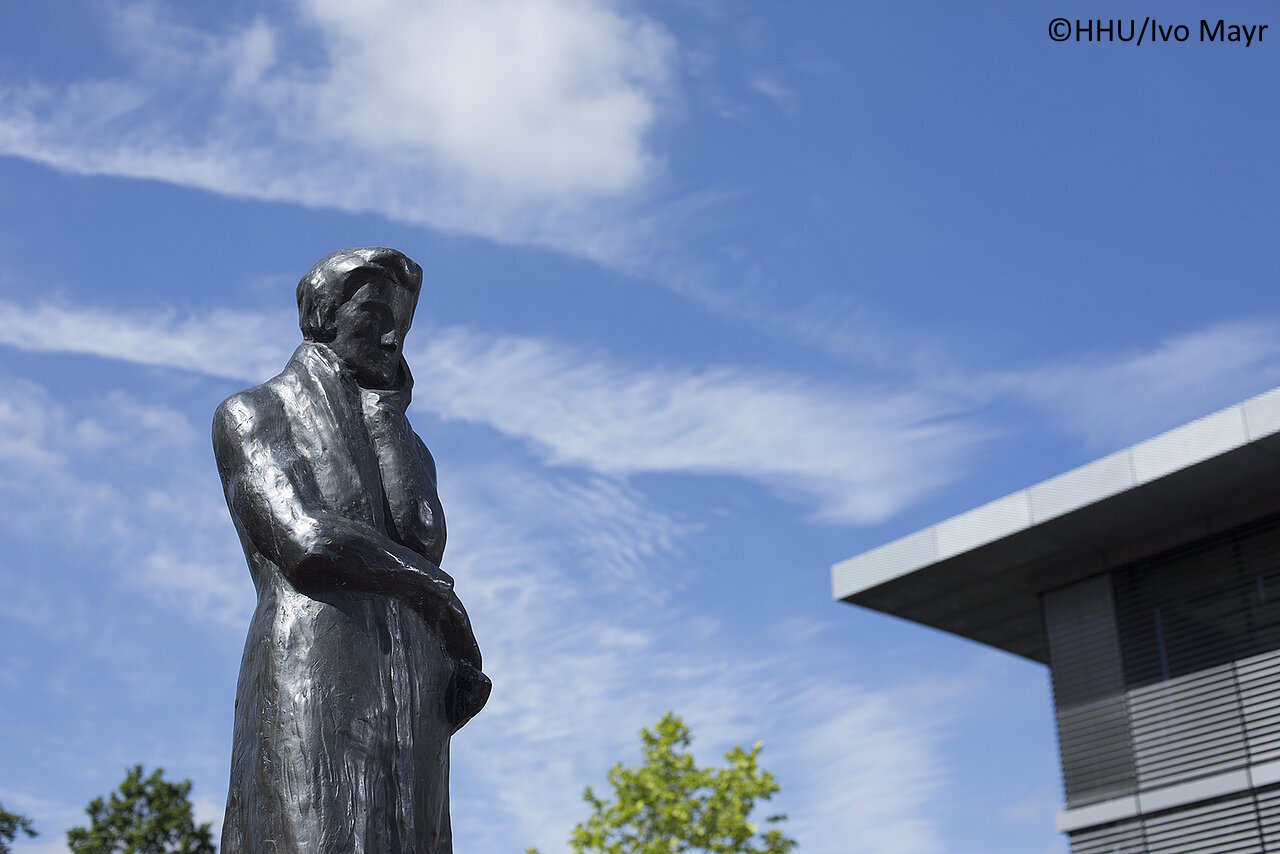
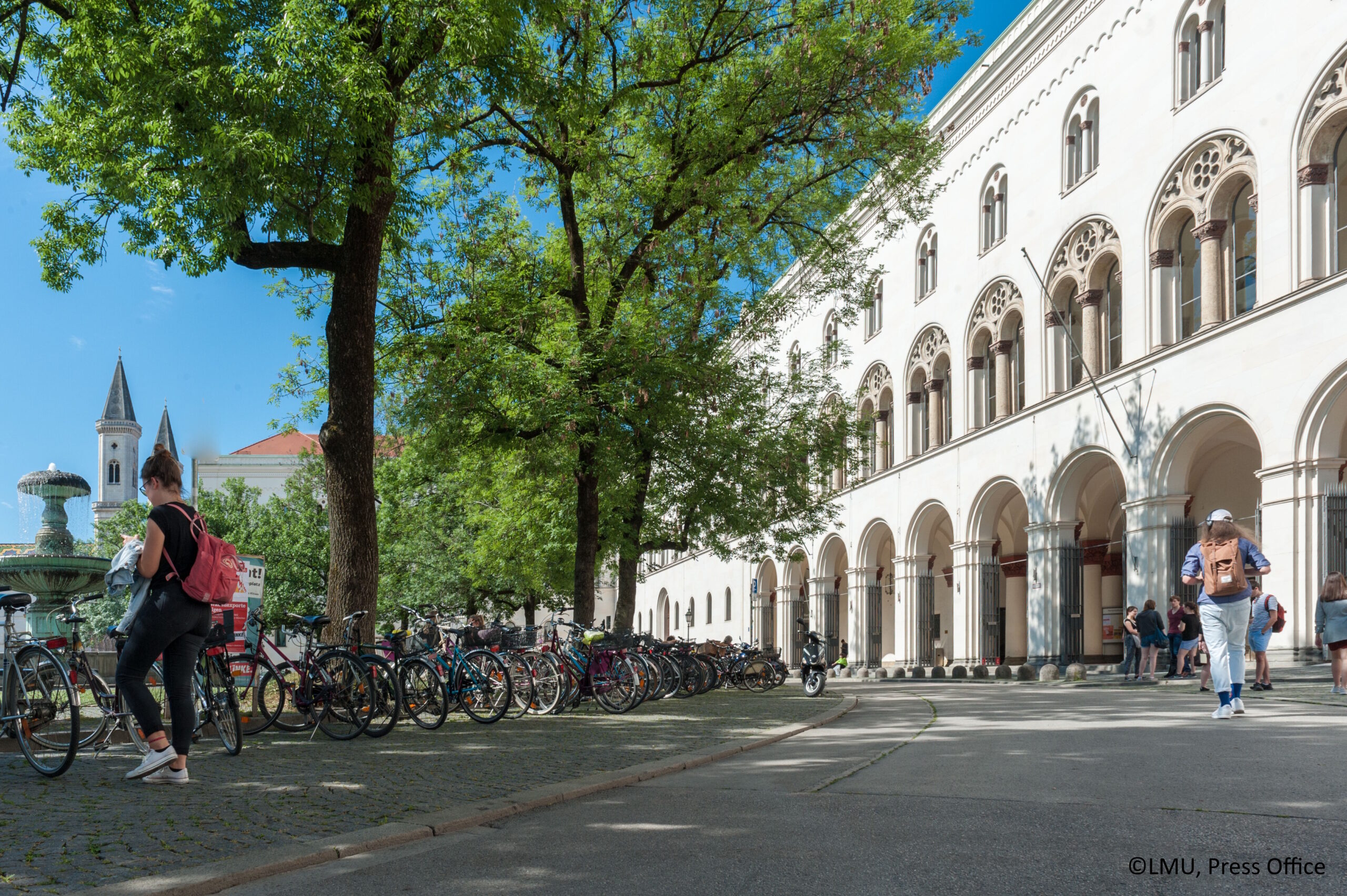


I was able to join an exceptionally successful group of investigators who studied how mitochondria function in cells. Mitochondria produce energy in the cells in our body by burning up the food we eat, and the molecular mechanisms of this process were already well understood. But just like everything else, mitochondria need to grow and replicate as cells grow and divide.
This was where there were interesting open questions that could now be answered. Our team wanted to know how the different parts of mitochondria come together as mitochondria grow. There are proteins and enzymes in them that are assembled into something like molecular machines, and these produce energy from the food we eat. As new proteins are synthesized, they must come together in mitochondria and be put together in the right way.
Abitur
Städtisches Schloss Gymnasium Düsseldorf-Benrath (Düsseldorf, Germany)
Studies in chemistry and biochemistry
Heinrich Heine Universität Düsseldorf and the Ludwig Maximilians Universität (Munich, Germany)
Doctorate: Sorting and Assembly of Mitochondrial Proteins
Institut für Physiologische Chemie, Ludwig Maximilians Universität (Munich, Germany)
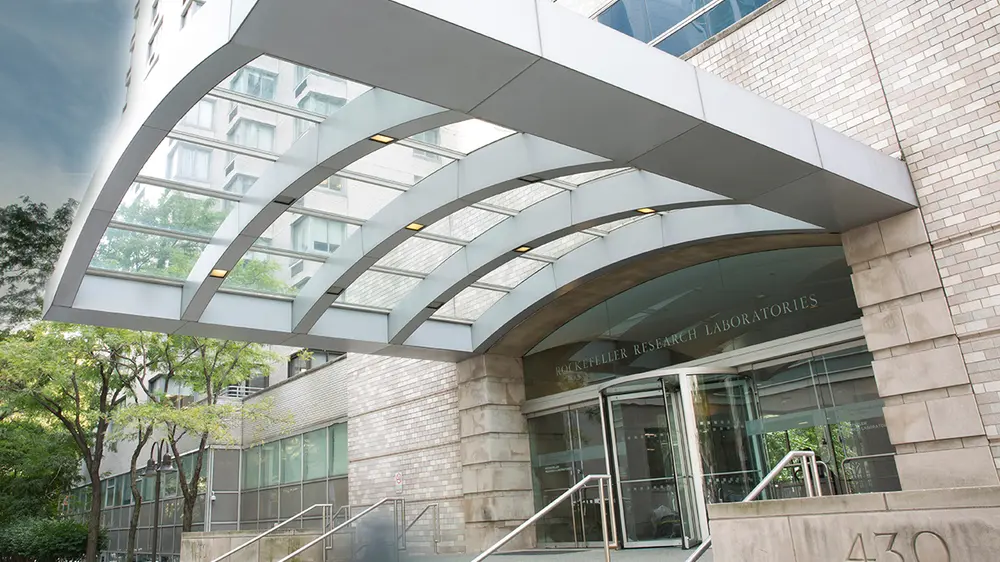
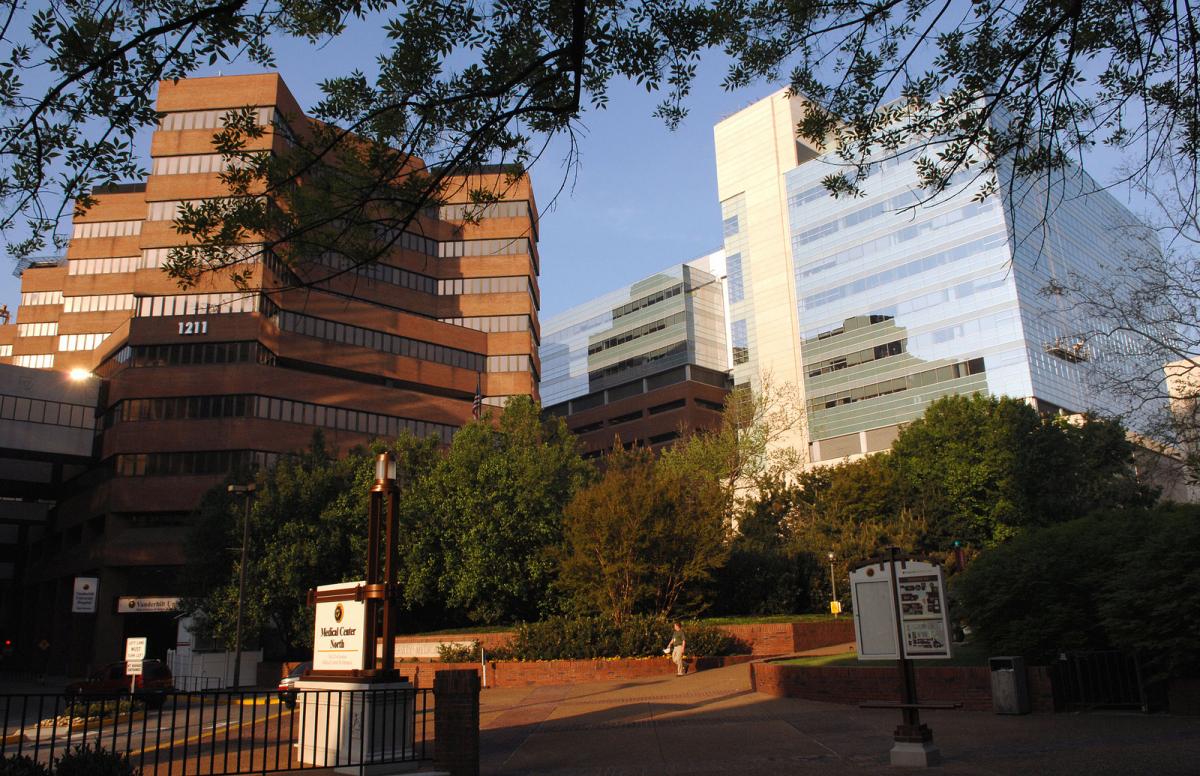

I continued to study cellular transport processes. Many cells contain a complex internal system of membrane-bound compartments that is called the secretory pathway. By passing through these compartments, proteins can leave cells. Our group studied transport through the Golgi apparatus, which is a sorting station in the secretory pathway. There was good reason to believe that the Golgi apparatus consists of distinct compartments that are each enclosed by a membrane. For this reason, after proteins enter one of these compartments, there ought to be a mechanism allowing them to move from one compartment to the next as they progress on their journey. How does this work?
At the next step, as an Assistant Professor, it became very difficult to get funding for my research group. Suddenly, I was undermining a large body of work and critiquing some very influential people. I became quite vulnerable, especially as it took a long time until I had enough data to show that progress could be made. In light of the messiness of my intermediate results, my grant applications had no chance of success. Only by using up all my initial funding, I finally completed the characterization of the Golgi transport assay that had intrigued me for so long.
From this point on, I had the well-characterized system to study what I had wanted to study. However, without any research funds left and all my applications rejected, I could not keep my job. It was time to reassess my options. I took a career break and became a visiting scientist in the European Molecular Biology Laboratory in Heidelberg, Germany, to publish the last part of my work and then think about what to do next.
Postdoctoral Fellow
Princeton University (Princeton, NJ) and the Sloan Kettering Institute of the Memorial Sloan Kettering Cancer Center (New York, NY)
Assistant Professor of Biochemistry
Vanderbilt University School of Medicine (Nashville, TN)
Biotech


I wanted financial stability and independence. The world of business seemed the proper way to find financial stability, and so I started working in the biotechnology industry. I learned the skills of selling ideas to investors who would fund promising projects until they could be sold to pharmaceutical companies who would take them into further development. It was an exciting environment, much faster-moving than the academic world.
It was a strange way to earn a living, though. Sometimes it felt like we were dealing with nothing more than dreams that were supported by only the flimsiest amount of actual results. Nevertheless, by its own standards, it was a pleasantly truthful and honest environment. We were indeed selling nothing more than ideas and hopes, but our buyers did not really expect anything else. I thought that the biotechnology industry is second only to the movie industry in its capacity to make money out of dreams and illusions. I got sufficiently good at this, and after several years, I had the financial independence that I had sought. But then I discovered that this was clearly not what my life was about.
Research management positions in biotech companies
Montreal, QC (Caprion, now CellCarta) and Toronto, ON, and Vancouver, BC (Amorfix Life Sciences, now ProMIS Neurosciences)
Religious Life
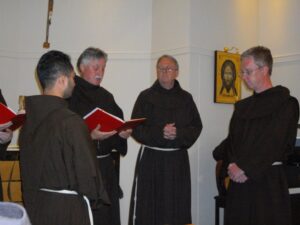
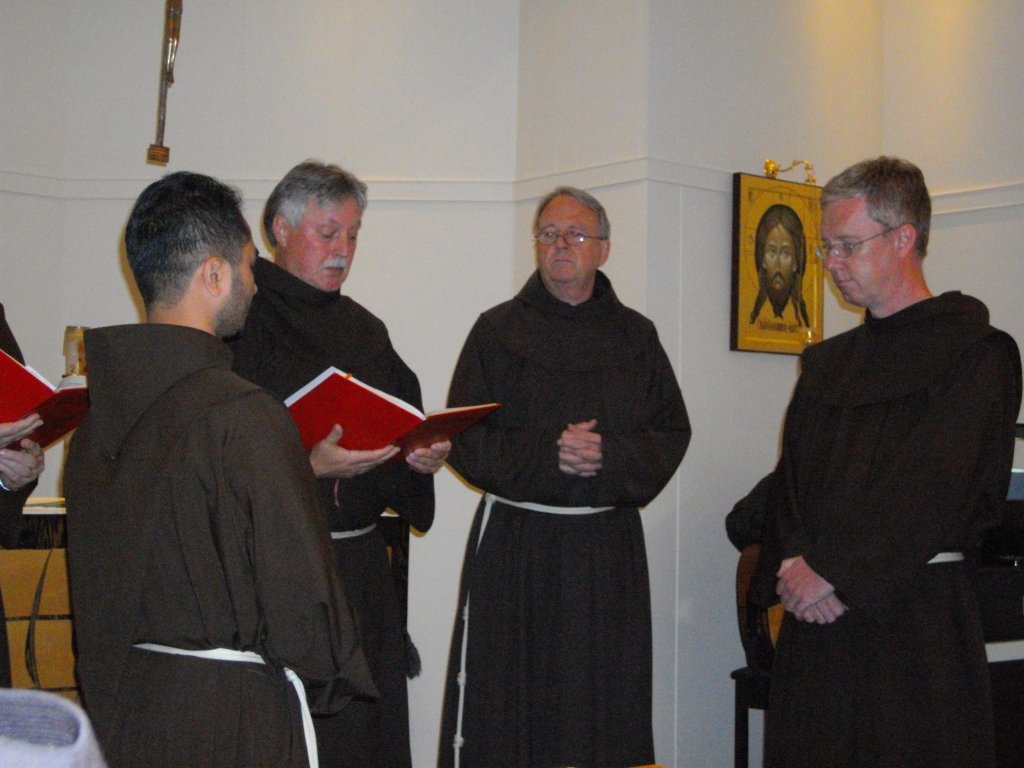
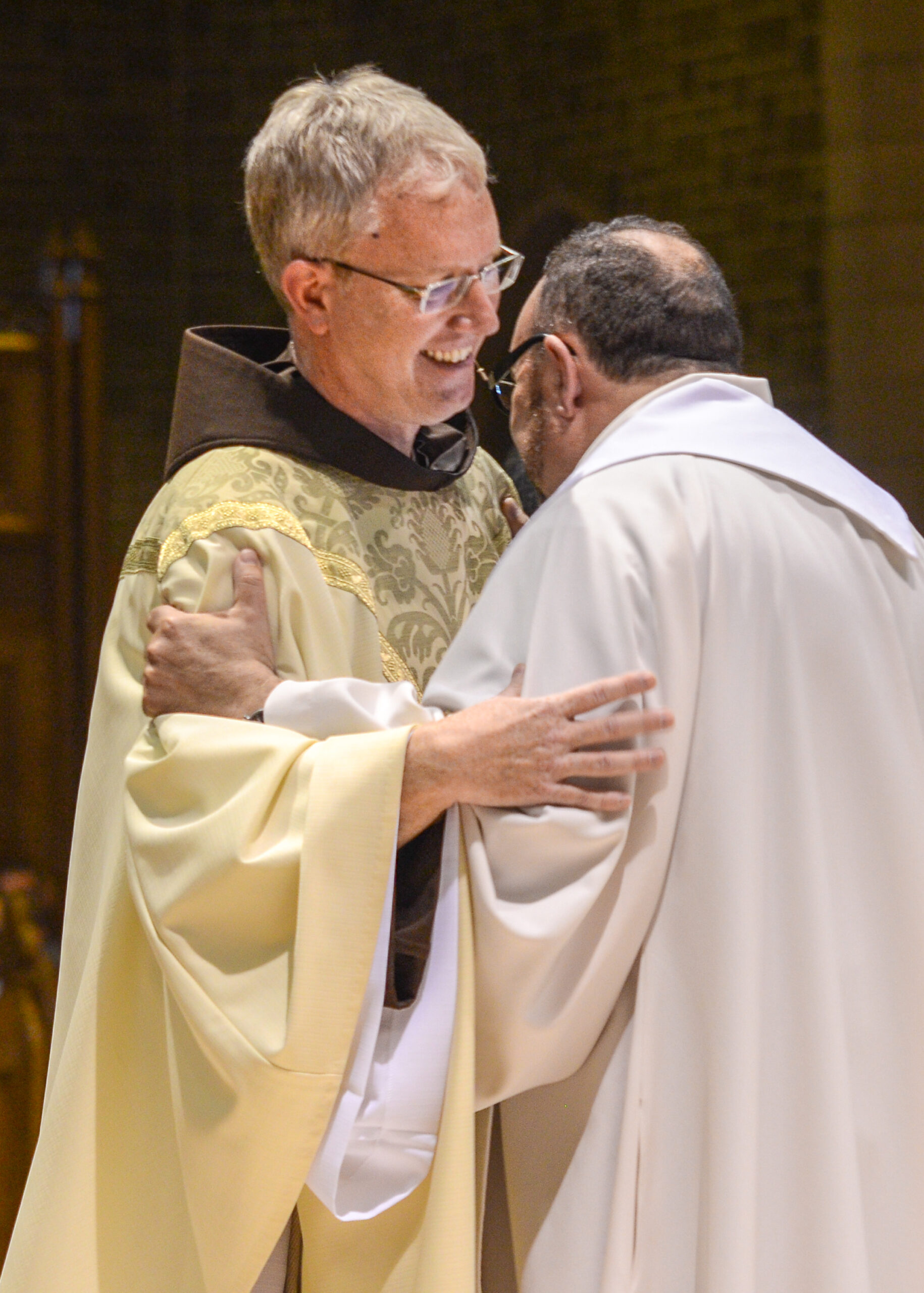


Initial vows as a Franciscan
Master of Divinity Studies in Theology and Philosophy
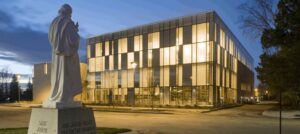
Newman Theological College (Edmonton, AB)
Solemn vows as a Franciscan
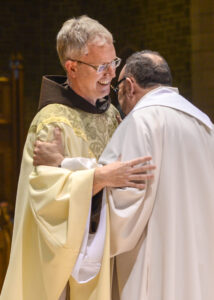
Ordination to the Priesthood
Vocational life