
Academic work typically drills a deep and narrow hole into knowledge space, and this comes with well-known risks. There’s an old quip that a true expert is someone who knows everything about nothing, and it first appeared in print in 1928.
The problem is not depth itself but the illusion that depth, when isolated, retains its meaning. Knowledge is a network. Any meaningful insight makes assumptions borrowed from other fields, and if we do not keep up with these other fields, then we work with yesterday’s knowledge and known falsehoods. A discipline can then drift into a world of its own, blissfully ignorant of its meaninglessness.
But even when all goes well, there remains the great distance between those digging deeply into knowledge space and trying to make sense of it all. The complexity of human problems always requires a multitude of scholarly insights, and for this, we need synthetic work.
This has been hard to do, as it requires keeping up with highly specialized knowledge in unrelated fields with different languages and practices. But this has suddenly become much easier. We can now work with large language models, or ChatGPT and such. They permit us “debate” our ideas against a backdrop of accumulated knowledge in all relevant fields made accessible by them. I can write a paragraph and get an instantaneous critique of it. I need not accept the critique, but if I get one that I did not expect, I know that someone wrote something that I better look up.
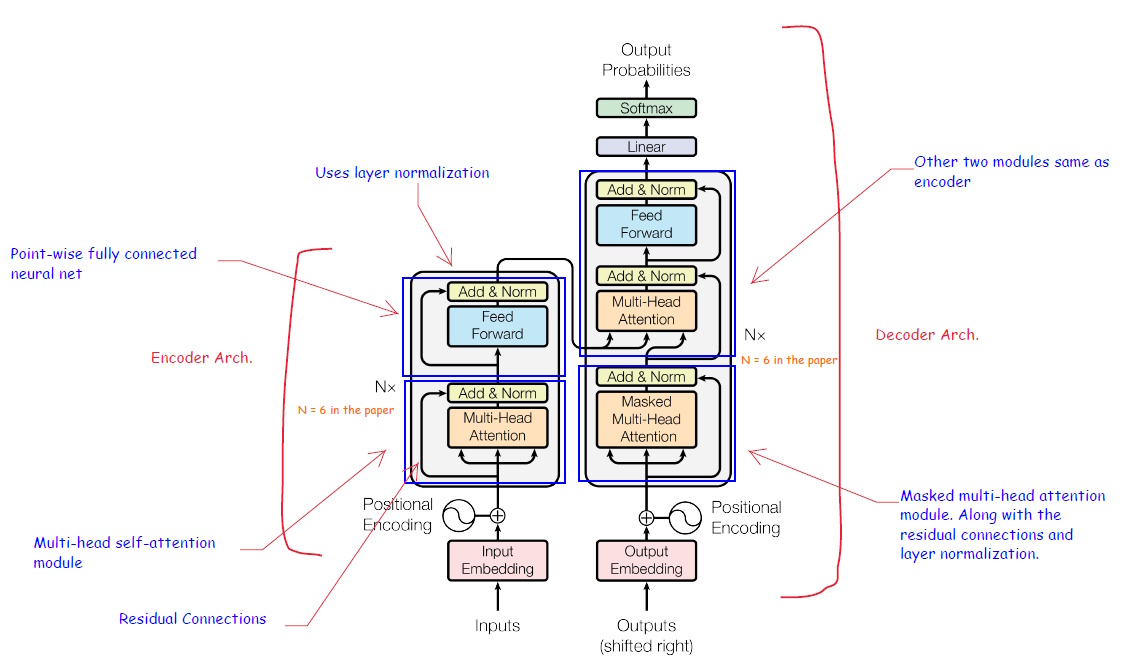
I was never surprised that an electronic calculator could do calculations I could not. But I am astonished that philosophical arguments could be given a machine representation. The trillion parameters or so that are fine-tuned in training the large language model chart pathways in meaning space. With this map, the machine creates by chance and necessity a path through this space, stringing words together, providing a text I recognize as meaningful and maybe even insightful.
The most interesting part is that this is possible. Since it works, the knowledge space studied by scholars and mapped by their labours must have a structure that can be replicated by a machine. Now I can draw on all this knowledge and its structure as I think and write. What a gift. I see a new dawn for interdisciplinary thinking, as we can now both draw on the knowledge of highly specialized professional scholarship and make it accessible from the surface. This has got to be a good thing.